
How Do Stem Cell Injections Work? A Beginner's Guide
VINMED
What Stem Cell Injections Are, How They Work, and What to Expect
If you've been living with chronic joint pain, a nagging injury, or a condition like osteoarthritis, you've probably heard the term stem cell therapy come up — maybe from your doctor, a friend, or something you stumbled across online. And if your first thought was "That sounds promising, but how does it actually work?" — you're in exactly the right place.
At Vinmed, we believe every patient deserves to walk into their consultation already feeling informed and confident. So consider this your plain-language, no-jargon primer on stem cell injections: what they are, how they work, what to expect, and whether this treatment might be right for you.
What Are Stem Cells?
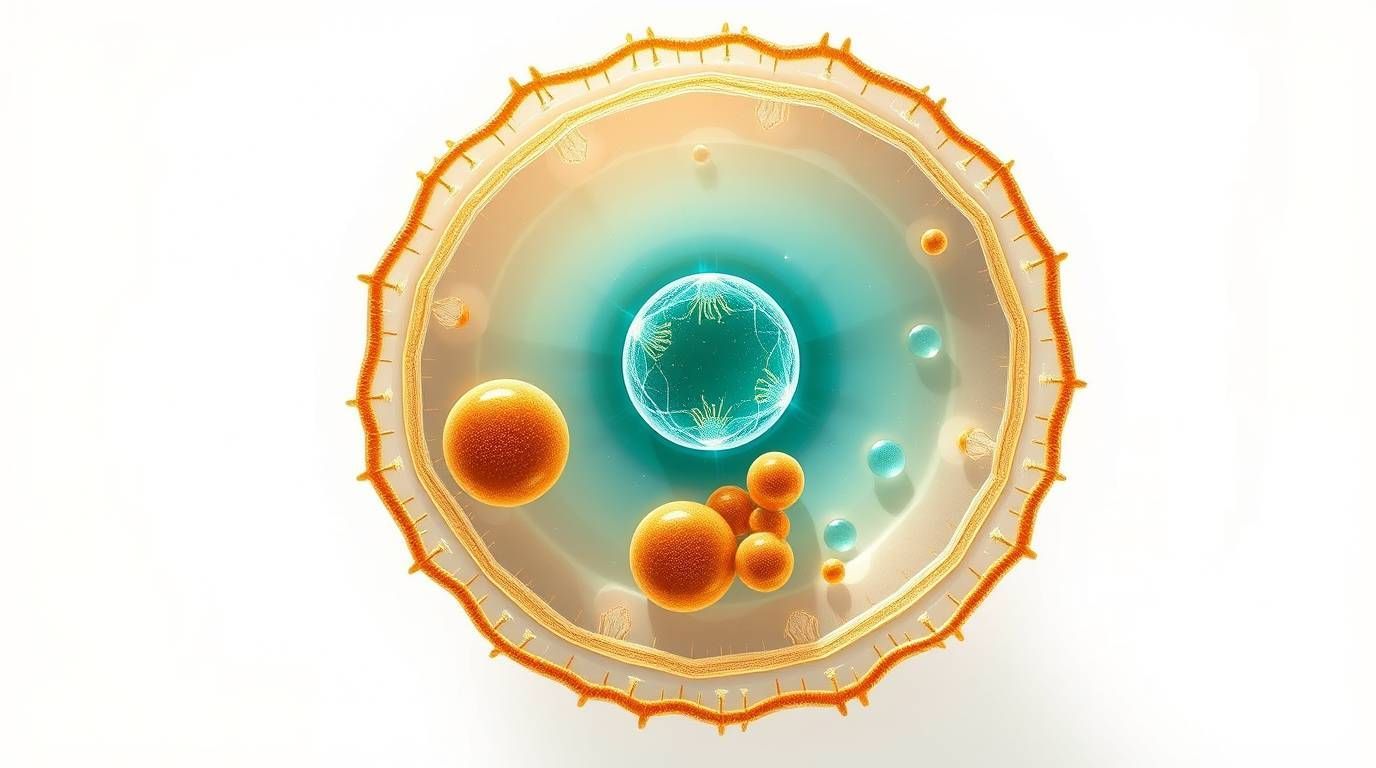
Think of stem cells as your body's raw material — the original building blocks from which nearly every other type of cell is created. Unlike a heart cell, which can only do heart-cell things, or a cartilage cell that's locked into a single role, stem cells are versatile. Under the right conditions, they can transform into the specific type of cell your body needs to repair itself.
There are a few key properties that make stem cells uniquely valuable in medicine:
- They can self-renew — making copies of themselves over and over.
- They can differentiate — transforming into specialized cells like cartilage, muscle, bone, or tendon.
- They act as signaling cells — sending out chemical messages that tell your body's existing cells to kick their healing process into high gear.
That last point is especially important and often surprises people. The biggest benefit of stem cell therapy isn't always the injected cells directly "becoming" new tissue. It's the cascade of healing signals they trigger in your body.
Where Do the Stem Cells Come From?
One of the most common questions patients ask — and one that comes with a lot of misconceptions — is where these cells actually originate. Here's the short answer: not from embryos. The stem cells used in regenerative orthopedic treatments are collected from adult sources, including:
- Bone marrow: Typically drawn from the patient's own pelvic bone. This is called an autologous treatment — meaning it uses your own biology, reducing any risk of rejection.
- Adipose (fat) tissue: Another source of your own stem cells, often harvested via a minor procedure.
- Birth tissues: Stem cells sourced from amniotic fluid, umbilical cord blood, or the placenta — donated voluntarily by healthy mothers after delivery. These are FDA-regulated biological products.
At Vinmed, our image-guided approach means we can place those cells precisely where they need to go — something that matters enormously for outcomes.
How Do Stem Cell Injections Actually Work? (Step by Step)
The procedure is more straightforward than most people imagine. Here's what the process typically looks like:
Step 1: Consultation & Imaging Before anything else, your Vinmed provider will review your medical history, imaging, and goals. This isn't a one-size-fits-all treatment — the plan is tailored to your specific condition and anatomy.
Step 2: Harvesting (if using your own cells) If bone marrow or fat tissue is being used, a small sample is collected from your body under local anesthesia. This typically takes only a few minutes and involves minimal discomfort.
Step 3: Processing The collected tissue is processed — often using a centrifuge — to concentrate the stem cells and growth factors into an injectable form. Think of it like spinning cream to make butter: you're extracting the most potent part.
Step 4: Precise Injection (Image-Guided) This is where Vinmed's approach stands apart. Rather than a blind injection, we use real-time imaging — ultrasound or fluoroscopic (X-ray) guidance — to place the cells exactly at the site of damage. Accuracy here isn't just a bonus; it's the difference between a treatment that works and one that doesn't.
Step 5: The Healing Process Begins Once injected, the stem cells get to work — releasing growth factors, reducing inflammation, and signaling nearby cells to repair damaged tissue. This isn't an overnight process. Your body is doing real, meaningful biological work.
The entire in-office procedure typically takes under an hour, and most patients go home the same day.
What Conditions Can Stem Cell Injections Treat?
Regenerative medicine using stem cells is being explored for a wide range of musculoskeletal and orthopedic conditions. Some of the most common applications include:
- Knee pain and osteoarthritis
- Shoulder injuries, including rotator cuff tears
- Hip joint degeneration
- Spine and lower back conditions
- Tendon and ligament damage
- TMJ (jaw joint) dysfunction
- Arthritis in smaller joints like fingers and wrists
It's worth noting that research in this space is still evolving, and stem cell therapy is not a guaranteed cure for any condition. What it offers many patients is a meaningful, minimally invasive option before resorting to surgery — and in many cases, the results speak for themselves.
When Will I Feel Results?
Everyone's healing timeline is a little different, but here's a general picture:
- First few days: Some patients notice reduced inflammation relatively quickly, since stem cells have natural anti-inflammatory properties.
- 2 to 6 weeks: Many patients begin feeling meaningful improvement in pain and function during this window.
- 3 to 6 months: The deeper tissue regeneration — the real structural healing — continues to develop over months, often producing results that improve over time rather than plateau.
Physical therapy and follow-up care during this period can significantly improve outcomes. Your Vinmed provider will give you a personalized roadmap.
Is It Painful? What's Recovery Like?
Most patients describe the discomfort of a stem cell injection as comparable to a standard shot — nothing dramatic. The injection site may feel sore or tender for a few days as your body responds to the treatment.
Recovery guidelines vary depending on the joint being treated, but generally:
- You can return home the same day.
- Light activity is usually fine within a day or two.
- Heavy lifting or high-impact exercise is typically restricted for 2 to 4 weeks.
- You'll schedule follow-up visits to monitor your progress.
Compare that to the weeks or months of post-surgical recovery many patients face, and it's easy to understand why regenerative medicine is becoming an increasingly appealing option.
Is Stem Cell Therapy Right for You?
Stem cell therapy is not a universal solution, and a trustworthy provider will be the first to tell you that. Good candidacy depends on:
- The type and severity of your condition
- Your overall health and age
- Whether you've responded to more conservative treatments
- Your specific anatomy and the targeted area
The best way to find out if you're a candidate is a one-on-one consultation with a Vinmed specialist. We'll review your imaging, discuss your goals, and give you an honest assessment — not a sales pitch.
Why Choose Vinmed for Stem Cell Therapy?
There's no shortage of clinics marketing regenerative treatments — which makes choosing the right provider more important than ever. At Vinmed, a few things set us apart:
- Image guidance — always: We never inject blind. Real-time imaging means precise placement every single time.
- Physician-led care: Your treatment is designed and delivered by experienced medical professionals, not delegated to staff.
- Transparent conversations: We'll tell you what the research shows, where uncertainty exists, and what outcomes are realistic for your situation.
- Holistic approach: Stem cell therapy works best as part of a comprehensive care plan, and we help you build that plan.
Ready to Take the Next Step?
If you've been putting off addressing chronic pain because surgery feels like too big a step, stem cell therapy may be the bridge you've been looking for. The team at Vinmed is here to help you understand your options — with no pressure, just clarity.
Schedule your consultation today at Vinmed and take the first step toward lasting relief.
Share
Schedule an Appointment
Have a question? We’re here to help. Send us a message and we’ll be in touch.